Do Eyelashes Grow Back? Everything You Need to Know About Lash Regrowth
If you’ve lost eyelashes due to extensions, pulling, illness, or just natural shedding, you’re probably wondering: do eyelashes grow back? The short answer is yes, in most cases your lashes will regrow. But the timeline, the quality of that regrowth, and what you do during the waiting period all matter tremendously.
This guide walks you through the eyelash growth cycle, explains exactly how long regrowth takes depending on the cause of loss, and covers what you can do to support healthy lashes. You’ll learn which types of lash loss are temporary versus permanent, how eyelash extensions affect natural lash health, and when you should actually worry about lash thinning.
Whether you’re dealing with accidental lash loss, transitioning away from extensions, or simply curious about your natural lash cycle, you’ll find practical, experience-based answers here from our team at Labelle Eyes in Montreal.
Quick Answer
Yes, eyelashes grow back in most cases. If the follicle is intact, expect full regrowth in 6-8 weeks through the natural growth cycle. However, damage to the follicle from repeated trauma, medical conditions, or improper extension application can slow or prevent regrowth.
Do Eyelashes Grow Back? Understanding Natural Lash Regrowth
Your eyelashes are designed to regenerate. Each lash grows from a follicle, passes through a growth phase, and eventually falls out to make room for a new one. This is completely normal and happens continuously throughout your life.
The key factor determining whether your eyelashes grow back is follicle health. When a lash falls out naturally or gets cut, the follicle remains intact beneath the skin and will produce a new lash during its next growth phase. Even if you accidentally pull out a lash from the root, the follicle typically survives and begins growing a replacement.
But there are exceptions. Repeated trauma to the follicle, certain medical conditions affecting hair growth, or damage from improper extension removal can compromise your follicles’ ability to produce new lashes. The good news? Most everyday lash loss falls into the temporary category.
Key Takeaways
- Expect full eyelash regrowth within 6-8 weeks if follicles remain healthy
- Understand your natural lash cycle to recognize normal versus abnormal shedding
- Avoid rubbing, pulling, or using harsh products during the regrowth period
- Choose lightweight extensions or lash lifts to minimize follicle stress
- Consult a doctor if lash loss is sudden, patchy, or accompanied by symptoms
The Eyelash Growth Cycle: How Your Lashes Naturally Renew
Every single eyelash on your lash line moves through three distinct phases: anagen (active growth), catagen (transition), and telogen (resting and shedding). Understanding this cycle explains why you lose a few lashes daily and why regrowth takes weeks, not days.
| Growth Phase | Duration | Key Characteristics | Growth Rate |
|---|---|---|---|
| Anagen (Active Growth) | 30-45 days | Lash actively lengthens from follicle | 0.12-0.14mm per day |
| Catagen (Transition) | 2-3 weeks | Growth stops, follicle shrinks | No growth |
| Telogen (Resting) | 4-9 months | Lash rests before natural shedding | No growth |
Anagen: The Active Growth Phase
This is when your lash is actively growing from the follicle. Only about 40% of your upper lashes and 15% of your lower lashes are in anagen at any given time. This staggered growth pattern is why you don’t lose all your lashes at once.
The maximum length your natural lashes can reach is determined genetically during anagen. Most people’s lashes max out at 8-12mm, though this varies. Once a lash reaches its predetermined length, it stops growing and enters the next phase.
Catagen and Telogen: Transition and Resting Phases
Catagen is the brief transition period. The lash stops growing, the follicle shrinks, and the lash detaches from its blood supply. Telogen is the resting phase, lasting about 4-9 months for eyelashes. The lash stays in place but isn’t growing. Eventually, a new lash forming in anagen pushes the old one out.
You naturally shed 1-5 lashes per day from both eyes combined as telogen lashes release. When clients at our Westmount studio worry about lashes on their pillow, we often explain this natural cycle. The concern arises when shedding suddenly increases or regrowth noticeably slows.
When assessing natural lash health before extension application, we check for uniform density across the lash line. Sparse patches may indicate follicles stuck in telogen, often from past trauma or nutritional factors worth addressing before adding extension weight.
How Long Does It Take for Eyelashes to Grow Back?
The eyelash regrowth timeline depends entirely on what happened to the lash and at what point in the growth cycle it was lost. A lash that falls out naturally during telogen regrows faster than one pulled out prematurely during anagen.
Regrowth After Being Pulled Out from the Root
If you pull out a lash completely from the root, you’re looking at roughly 6-8 weeks for visible regrowth and up to 10-12 weeks for full length. The follicle needs time to reset and begin a fresh anagen phase.
During the first 2-3 weeks, nothing appears to happen. The follicle is healing beneath the skin surface. Around week 3-4, you’ll notice tiny new lashes emerging. By week 6-8, the new lash reaches a noticeable length, though it may take the full growth cycle to match surrounding lashes.
Regrowth After Extensions or Cutting
If your lashes were cut or broke off mid-shaft, regrowth is faster because the follicle never stopped working. The existing lash continues its growth phase from where it broke, and you’ll see length return within 3-6 weeks depending on how much was lost.
For lashes that shed naturally while wearing extensions, the timeline follows the normal growth cycle. A new lash was already forming beneath the one that fell, so you’ll see regrowth begin within 2-3 weeks.
Ready for perfect lashes?
Book your consultation today at our Westmount or Laval studio and let our certified lash technicians create your perfect look.
Common Causes of Eyelash Loss and When to Worry
Eyelash loss happens for dozens of reasons, from the completely mundane to the medically significant. Knowing the difference between temporary shedding and a condition requiring treatment can save you weeks of unnecessary worry or catch a problem early.
Temporary Shedding vs. Permanent Lash Loss
Temporary lash loss has an identifiable, reversible cause. Common temporary causes include physical trauma like rubbing your eyes during allergy season, traction from heavy extensions applied incorrectly, reaction to a new mascara or lash glue, hormonal shifts during pregnancy or postpartum, stress-related shedding, and nutritional gaps like low iron or biotin.
Permanent lash loss involves follicle destruction. This shows up as smooth skin where lashes used to grow, with no regrowth even after months. Causes include severe burns, scarring from injury or surgery, autoimmune conditions like alopecia areata targeting hair follicles, chronic blepharitis left untreated, and radiation therapy near the eye area.
Medical Conditions That Affect Eyelash Growth
Thyroid disorders, both hyperthyroidism and hypothyroidism, commonly cause lash thinning along with changes to scalp hair and eyebrows. Blepharitis, inflammation of the eyelid margin, damages follicles over time if left untreated. Alopecia areata is an autoimmune condition that can target eyelash follicles, causing sudden patchy loss. Trichotillomania is a hair-pulling disorder where the person compulsively pulls out lashes, often unconsciously.
When clients report sudden lash thinning without a clear cosmetic cause, we recommend documenting the lash line with photos and tracking any other symptoms. This visual timeline helps doctors diagnose conditions like thyroid issues or blepharitis faster than memory alone.
How Eyelash Extensions Affect Natural Lash Health and Regrowth
Professionally applied extensions, when done correctly and maintained properly, do not prevent your natural lashes from growing. The issue arises when extensions are too heavy for your natural lash structure, applied with too much adhesive, or removed improperly.
Each extension adds weight to a natural lash. If that weight exceeds what the follicle can support, it creates constant tension. Over time, this traction can weaken the follicle, shorten the anagen phase, and lead to premature shedding. This is called traction alopecia.
The solution is choosing the right extension type and weight for your natural lash strength. At our Laval and Westmount locations, our certified technicians assess natural lash diameter and health before recommending extension thickness. A client with fine natural lashes gets 0.03-0.05mm extensions, never the 0.15mm thickness someone with coarse lashes can handle.
Classic extensions place one extension on one natural lash, creating the least follicle stress. Hybrid extensions mix singles with light volume fans. Full volume uses multiple ultra-thin lashes per fan, but when done with proper technique, the combined weight stays manageable because each individual fiber is so fine.
Poor application causes more lash damage than the extensions themselves. Adhesive applied too close to the lash line can glue lashes together or stick to the eyelid, pulling on follicles with every blink. Extensions placed on baby lashes weigh them down before they’re strong enough, causing them to shed prematurely.
The other common issue is improper removal. Pulling extensions off without remover rips out natural lashes still attached. This forces the follicle to restart the entire growth cycle from scratch. Professional removal uses a cream or gel remover that dissolves the adhesive bond, allowing extensions to slide off without taking your natural lashes with them.
If you follow proper aftercare, avoid oil-based products that weaken adhesive bonds, and get fills every 2-3 weeks, your extensions and natural lashes coexist without issue. The natural lash cycle continues underneath. Extensions shed along with the natural lash during telogen, exactly as they should, and new lashes grow in during the next anagen phase ready for a fresh extension at your next fill.
We’ve worked with clients at Labelle Eyes who’ve worn extensions continuously for years with perfectly healthy natural lashes. The difference is they chose appropriate extension weight, maintained consistent fill schedules, cleansed their lash line daily, and had them applied by certified technicians who understand lash growth biology.
How to Support Healthy Eyelash Regrowth
You cannot force lashes to grow faster than their natural cycle allows, but you can create optimal conditions for follicle health and avoid practices that slow regrowth or damage emerging lashes.
Nutrition and Supplements for Lash Health
Hair growth, including lashes, requires adequate protein, biotin, iron, zinc, and omega-3 fatty acids. If your diet lacks these or you have absorption issues, a quality multivitamin or targeted supplement can help. Biotin supplementation (2.5-5mg daily) shows the most consistent evidence for supporting hair growth, though results take 2-3 months to appear.
Proper Lash Line Hygiene
Keep your lash line clean. Buildup from makeup, oil, dead skin, and environmental debris can clog follicles and create inflammation that disrupts the growth cycle. Use a gentle, oil-free cleanser on your lash line daily. Avoid harsh rubbing, pat or sweep gently along the lashes without tugging.
Lash Serums and Conditioning Treatments
Consider a lash serum with proven ingredients. Peptides, biotin, panthenol, and botanical extracts can condition lashes and support follicle health. Prescription options like bimatoprost (Latisse) actually extend the anagen phase, giving lashes more time to grow longer, but require a doctor’s prescription and come with potential side effects like eyelid darkening.
Castor oil is widely recommended for lash growth, though scientific evidence is limited. It may help by moisturizing lashes and preventing breakage. Apply a tiny amount to clean lashes before bed using a disposable mascara wand. Just avoid getting it directly in your eyes.
Safe Cosmetic Alternatives During Regrowth and Montreal Climate Considerations
Give your lashes breaks from mascara when possible. Mascara, especially waterproof formulas, requires more aggressive removal that can pull on lashes. Eyelash curlers, when used with too much pressure or on wet lashes, can break lashes mid-shaft. If you use a curler, do it gently on dry lashes before applying mascara.
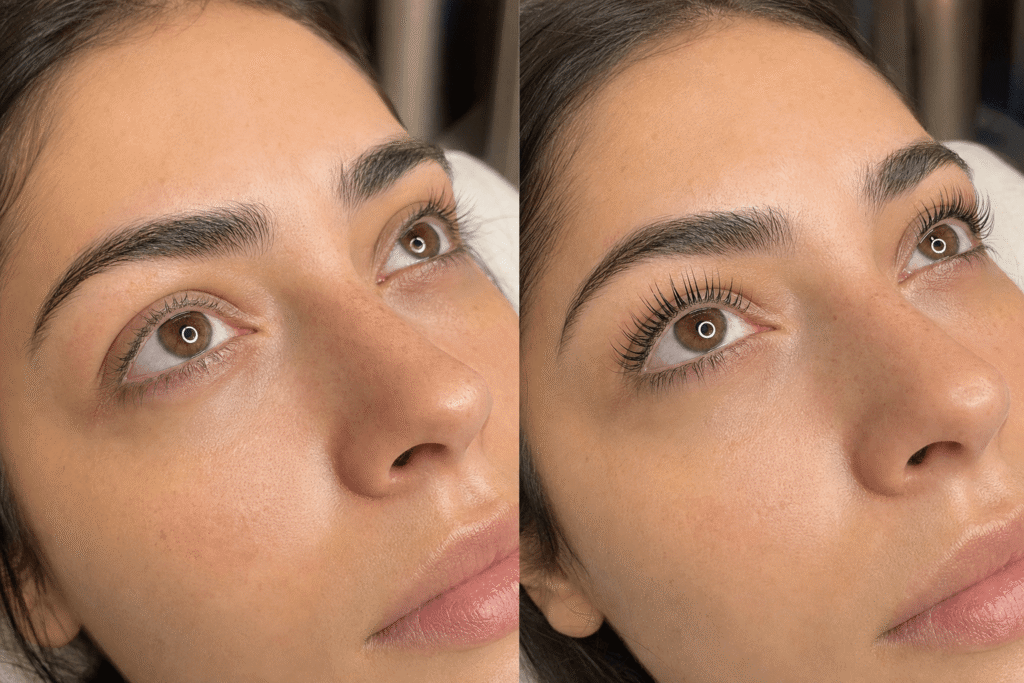
During regrowth periods, a lash lift and tint offers a cosmetic enhancement without adding weight or requiring adhesive. The lift curls your natural lashes using a gentle perm solution, and the tint darkens them so they appear fuller. This works with whatever length you currently have and does not interfere with the growth cycle.
Montreal’s dramatic seasonal shifts create specific challenges for lash product selection during regrowth. Summer humidity (June through September, averaging 65-75%) causes standard mascaras to smudge and creates buildup on the lash line. Switch to lightweight, water-resistant formulas that rinse off easily with gentle cleansers. Avoid waterproof mascaras that require harsh oil-based removers during humid months. The extra moisture in summer air also encourages bacterial growth, making daily lash line cleansing with oil-free foam cleansers essential.
Winter dryness (December through March, when indoor heating drops humidity to 25-35%) creates the opposite problem. Cold outdoor air combined with dry indoor heating makes lashes brittle and prone to breakage. During Montreal winters, use conditioning mascaras with hydrating ingredients, apply nourishing lash serums containing hyaluronic acid or peptides nightly, and consider a humidifier in your bedroom to prevent overnight moisture loss. At our Westmount location, we recommend clients switch to cream-based makeup removers in winter rather than micellar waters, which can further dry already compromised lashes.
Spring and fall transition periods (April-May and October-November) bring temperature swings from -5C to 20C within days. These rapid changes stress hair follicles. Focus on consistent lash care routines during transition months rather than switching products frequently. A gentle peptide serum used year-round provides better follicle support than constantly adapting to weather changes.
Manage underlying health conditions. If you have thyroid issues, autoimmune conditions, or chronic inflammation, working with your doctor to control these protects your lash follicles along with your overall health. Be patient. The hardest part of supporting regrowth is accepting the timeline. Consistent care over 6-8 weeks brings visible improvement.
Myths vs. Facts About Eyelash Regrowth
Misinformation about lash growth spreads quickly, often based on misunderstanding how the growth cycle actually works. Let’s clear up the most persistent myths.
Myth: Cutting your eyelashes makes them grow back thicker and darker. Fact: This is completely false. Cutting a lash mid-shaft does nothing to the follicle beneath the skin, which determines thickness, color, and growth rate. The blunt cut edge may look temporarily thicker than the naturally tapered tip, creating an optical illusion, but once the lash grows out fully it returns to its original diameter.
Myth: If you pull out a lash, it will not grow back. Fact: Pulling out a single lash, even from the root, typically does not damage the follicle permanently. The follicle will produce a new lash during its next growth cycle. Repeated pulling from the same follicle over months or years can eventually cause scarring and permanent loss, but one-time trauma usually heals completely.
Myth: Eyelash extensions ruin your natural lashes permanently. Fact: Properly applied extensions by a certified technician, using appropriate weight for your natural lash strength, do not prevent regrowth. Damage occurs from poor application, extensions that are too heavy, inadequate fills leading to overgrown extensions pulling on lashes, or improper removal. The extensions themselves are not the problem, the technique is.
Myth: Lashes grow back within a few days. Fact: The complete eyelash growth cycle takes 4-11 months from anagen start to telogen shedding. If you lose a lash, visible regrowth begins around 2-3 weeks, but reaching full length takes 6-8 weeks minimum. There is no way to dramatically speed this timeline, it is controlled by your follicle biology.
Myth: You lose all your eyelashes and regrow a full set at once. Fact: Your lashes are in different growth phases at any given time. You naturally shed 1-5 lashes per day as individual lashes complete telogen, while others are actively growing. This staggered cycle prevents you from ever being completely without lashes (unless you have a medical condition affecting all follicles simultaneously).
Myth: Vaseline makes eyelashes grow longer. Fact: Vaseline is an occlusive moisturizer that can condition lashes and reduce breakage, potentially helping them reach their full genetic length without snapping. But it does not change the follicle’s growth rate, lengthen the anagen phase, or make lashes grow longer than genetically programmed. It is a conditioning treatment, not a growth treatment.
Myth: Everyone’s lashes grow at the same rate. Fact: Genetics, age, overall health, and hormonal factors all influence lash growth rate and maximum length. A 25-year-old with optimal nutrition may complete a growth cycle faster than a 55-year-old with thyroid issues. This is why cookie-cutter advice about regrowth timelines does not account for individual variation.
Frequently Asked Questions
Do eyelashes grow back after being pulled out from the root?
Yes, eyelashes grow back after being pulled out from the root in most cases. The follicle beneath your skin typically survives the trauma and begins producing a new lash within 2-3 weeks. You’ll see visible regrowth by week 4-6, with full length returning in 6-8 weeks. Repeated pulling from the same follicle over time can cause permanent damage, but a single incident usually heals completely.
How long does it take for eyelashes to grow back?
The complete eyelash regrowth timeline is 6-8 weeks for full length, though you’ll notice new lashes emerging around week 3-4. If the lash was simply cut or broken mid-shaft, regrowth appears faster (3-6 weeks) because the follicle never stopped its growth phase. The exact duration depends on where you are in the natural growth cycle when the lash was lost and your individual follicle health.
Do eyelashes grow back after eyelash extensions?
Yes, your natural lashes continue their normal growth cycle during and after wearing extensions. Lashes that shed while wearing extensions were completing their natural telogen phase and would have fallen out regardless. As long as extensions were applied properly with appropriate weight for your lash strength and removed professionally, your natural lashes grow back normally. Problems arise only from poor application technique, extensions that are too heavy, or forceful removal.
Can I make my eyelashes grow back faster?
You cannot significantly speed up the natural eyelash growth cycle, which is biologically programmed to last 4-11 months from start to finish. However, you can optimize conditions for healthy growth by ensuring adequate nutrition (especially biotin, iron, and protein), keeping your lash line clean to prevent follicle inflammation, using conditioning serums to prevent breakage, and avoiding trauma like rubbing or pulling.
When should I see a doctor about eyelash loss?
See a doctor if you experience sudden, rapid lash loss affecting large sections of your lash line, complete lash loss with no regrowth after 3 months, patchy bald spots along the lash line, lash loss accompanied by eyelid swelling, redness, pain, or discharge, or lash thinning along with other symptoms like fatigue, weight changes, or hair loss elsewhere on your body. These patterns can indicate thyroid disorders, autoimmune conditions, infections, or chronic inflammation requiring medical treatment.
Trust Your Lash Health to Certified Experts
Understanding the eyelash growth cycle, recognizing the difference between temporary shedding and follicle damage, and knowing how to support healthy regrowth gives you control over your lash health. Whether you’re recovering from extension wear, dealing with accidental loss, or simply curious about your natural lashes better, the key is protecting follicle health while your lashes complete their natural cycle.
At Labelle Eyes, our team of certified lash technicians brings over a decade of experience to every consultation. From our Westmount location at 4055 Saint-Catherine St W, Unit 115, to our Laval studio at 3742 Boulevard Levesque O, we’ve helped countless Montreal clients maintain beautiful, healthy lashes through every stage of the growth cycle. Whether you’re ready for extensions that complement your natural lash strength or need guidance during a regrowth period, book your consultation today and let Benny and our expert team create a personalized plan for your lash goals.